So What does make a good ED&I training program?
A successful Equity, Diversity, and Inclusion (ED&I) training program is characterized by several key elements that foster a culture of understanding, respect, and inclusivity within an organization.
Firstly, a well-designed program begins with a thorough assessment of the organization’s current state, identifying areas of improvement and potential barriers to inclusivity. This ensures that the training is tailored to address specific challenges and opportunities unique to the organization.
Effective ED&I training places a strong emphasis on awareness and education. It provides participants with a comprehensive understanding of the concepts of equity, diversity, and inclusion, highlighting the importance of these principles in both personal and professional contexts. The curriculum should cover topics such as unconscious bias, microaggressions, and privilege to deepen participants’ understanding of the complexities surrounding ED&I issues.
Moreover, a successful training program goes beyond theoretical knowledge and encourages practical application. It incorporates interactive exercises, case studies, and real-world scenarios to help participants translate their learning into actionable strategies. Role-playing and simulations can be valuable tools to allow participants to experience diverse perspectives and challenge their own preconceptions.
Inclusivity is also reflected in the delivery of the training. A good program embraces a variety of learning styles and formats, such as workshops, online modules, and discussions. This ensures that participants with different preferences and needs can engage effectively with the material.
Continuous reinforcement is essential for the long-term success of an ED&I training program. Follow-up sessions, mentoring programs, and ongoing communication channels help reinforce the principles learned and provide a platform for employees to share their experiences and insights.
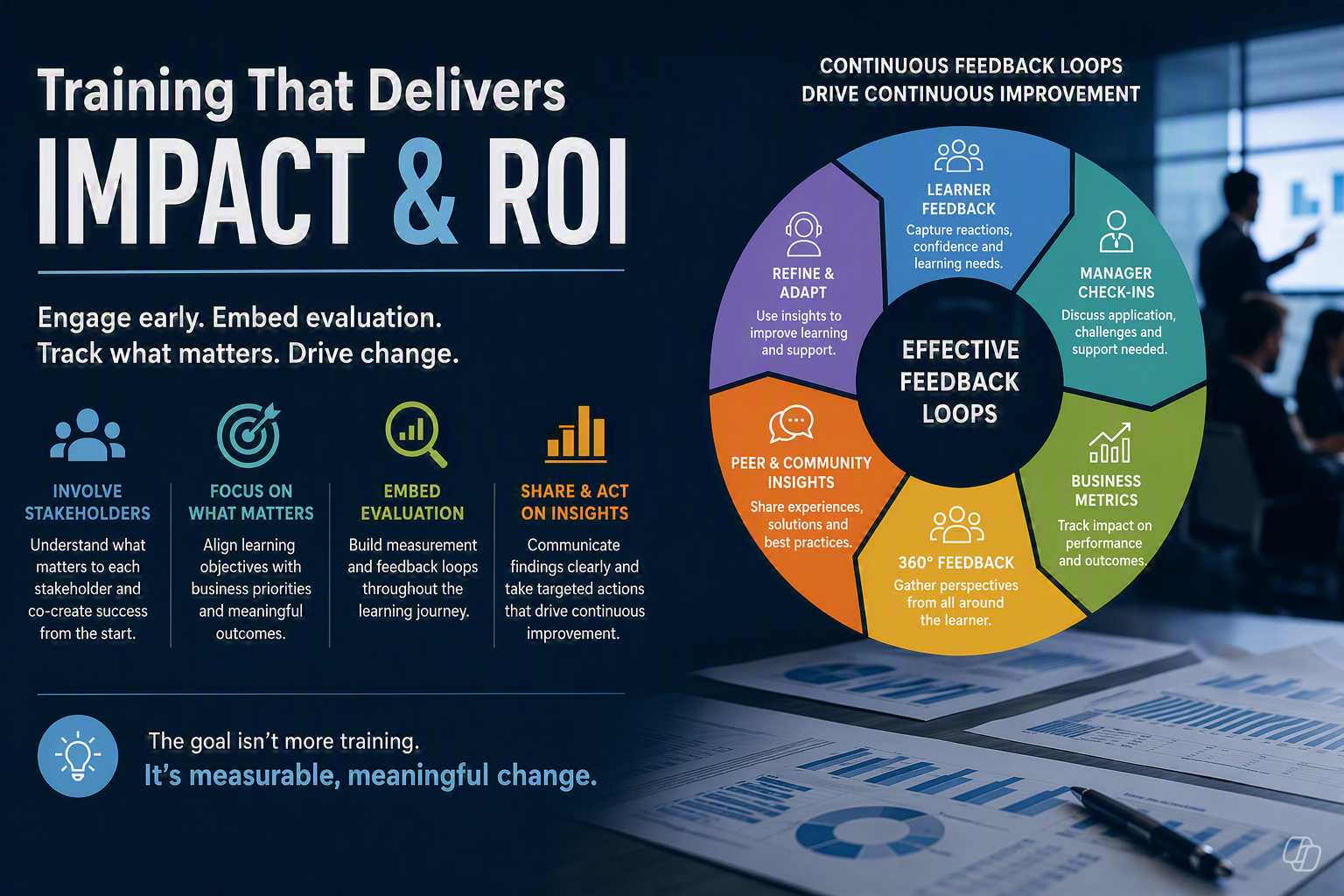
Ultimately, a good ED&I training program is embedded within the broader organizational strategy. It aligns with the company’s values, goals, and commitment to fostering a diverse and inclusive workplace. Regular evaluation and adaptation based on feedback ensure that the program remains relevant and impactful, contributing to a culture where everyone feels valued, respected, and empowered.
Working with the team at Watch This Sp_ce we have some great feedback, come and talk to us about your programs.
“Topics akin to privilege and fragility can be uncomfortable to discuss and unpack, especially if you benefit from these systems of oppression at hand and/or have previously, whether knowingly or unknowingly, exercised your power to harm different communities. However, for an organisation to strive towards equity – it is necessary to identify these intersectional barriers or un-earnt merits one has, to recraft a workplace culture and framework that supports those who need it. This can be done without guilt or shame, tools directly from these systems of oppression, rather embracing empathy, compassion, and collaboration. That’s where the true transformation lies.”
“There is no one set definition of “inclusion”, as the term means different things to different people, and you will need to define what it means to your organisation! It is a process enhanced by collaboration with your whole team that takes on board everyone’s perspectives and aligns to your mission and values. It all essentially boils down to this question, “What kind of organisation do you want to be?”.